What makes a good Football?
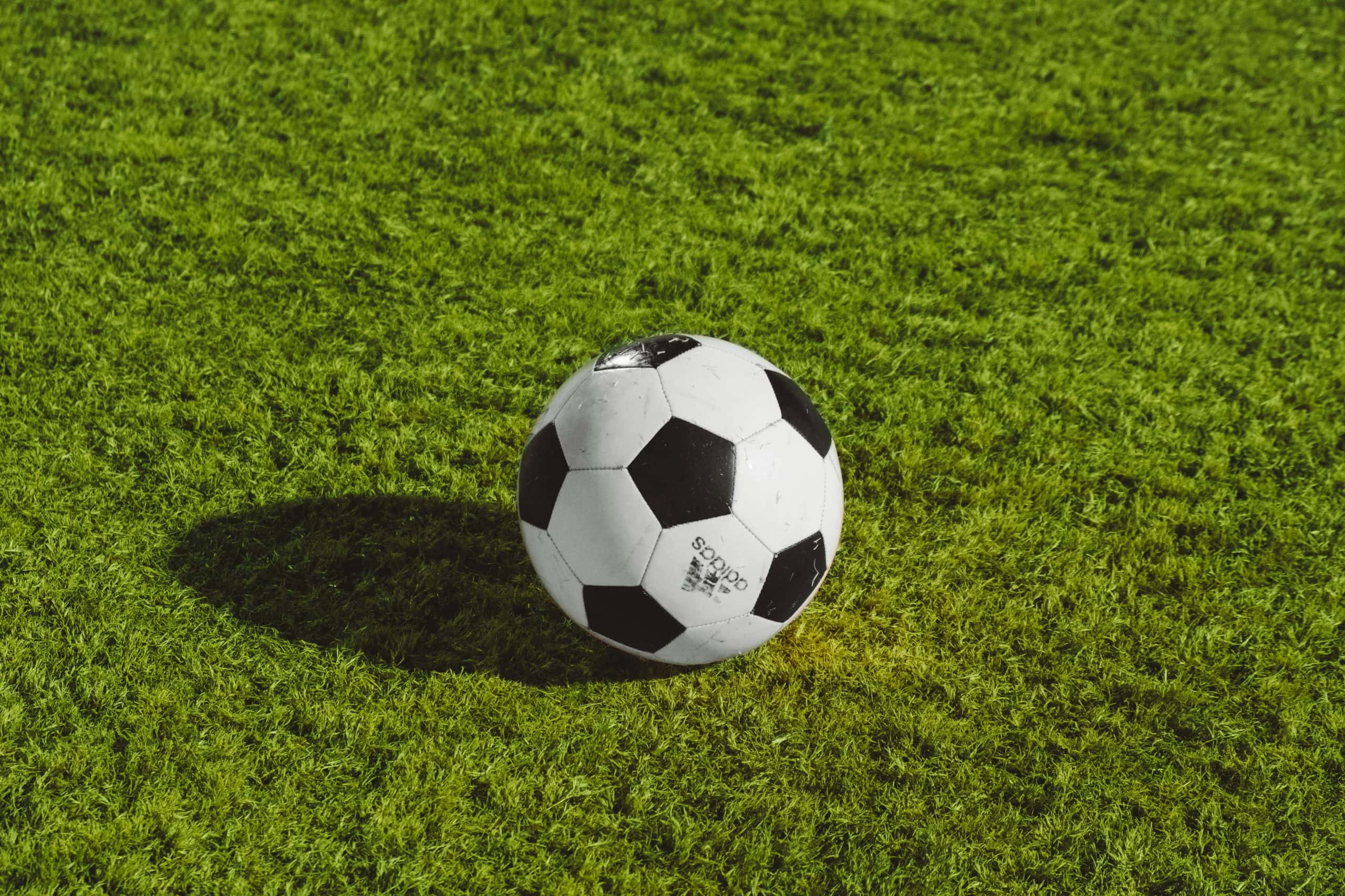
If you’ve ever kicked around a deflated beach ball and called it “football,” you’ll know, not all balls are created equal. Whether you’re playing a casual 5-a-side with friends or gearing up for a full-blown match, the right football can make all the difference between a satisfying strike and a sad wobble into the bushes.
So, what exactly makes a good football? Let’s break it down, without getting too technical.
⸻
The Perfect Shape (and Staying That Way)
Let’s start with the obvious, it needs to be round.
Sounds simple, right? But a great football doesn’t just start round; it stays round after countless kicks, headers, and the occasional punt into a neighbor’s garden.
The best footballs are made with high-quality panels (usually 12, 18, or 32) that are either stitched or thermally bonded to maintain their shape. Thermal bonding gives a smoother surface, better aerodynamics, and that clean, professional look you see on TV.
⸻
Durable Outer Material
The outer layer, the “skin” of the ball, does all the heavy lifting.
Modern footballs are made with synthetic leather (usually polyurethane), which offers a perfect mix of durability and control. It’s smooth, water-resistant, and feels great under your boot.
Cheaper balls use PVC, which is fine for kids or backyard games but can feel a bit stiff. If you’re playing regularly, invest in a PU-based ball. Your feet (and first touch) will thank you.
⸻
The Inner Bladder: Where the Magic Happens
Hidden inside every good football is its beating heart, the bladder. This is what keeps the ball inflated and bouncy.
• Latex bladders provide a softer, more responsive feel but lose air faster (so keep a pump handy).
• Butyl bladders retain air for weeks, perfect for training sessions or lazy players who never check pressure.
Pro tip: aim for a pressure level between 8.5 and 15.6 psi, too soft, and it feels sluggish; too hard, and it’ll sting like crazy when it hits your leg.
⸻
Weight and Size Matter
For official matches, Size 5 is the global standard for adults, weighing between 410–450 grams.
Younger players often use smaller balls (Size 3 or 4) to make control and learning easier.
A ball that’s too heavy can strain your ankles and ruin your dribbling rhythm, while one that’s too light will fly off unpredictably, especially in windy weather. Balance is key!
⸻
Consistency in Flight
Ever noticed how some balls seem to “wobble” in the air like they’ve got a mind of their own? That’s usually due to poor panel alignment or uneven weight distribution.
A top-tier football will have a seamless surface that allows for a predictable, stable flight path. That’s why you’ll often see match balls boasting “aerodynamic surface technology”, it’s not marketing fluff; it actually helps.
⸻
The Feel Factor
At the end of the day, a good football feels right.
When you pass, shoot, or juggle, it should respond naturally. You shouldn’t need to overthink your touch, the ball should feel like an extension of your foot (or head, if you’re brave).
That feeling of connection is what turns a game into magic.
⸻
Final Whistle
A good football is a balance of science, craftsmanship, and pure fun. It’s not just about logos or price tags, it’s about how it plays, feels, and lasts.
So next time you’re picking one out, remember: look for quality stitching, durable material, and consistent flight. And most importantly, get a ball that makes you want to play, because that’s what truly makes it a good football.