How to Choose the Right Padel Racket
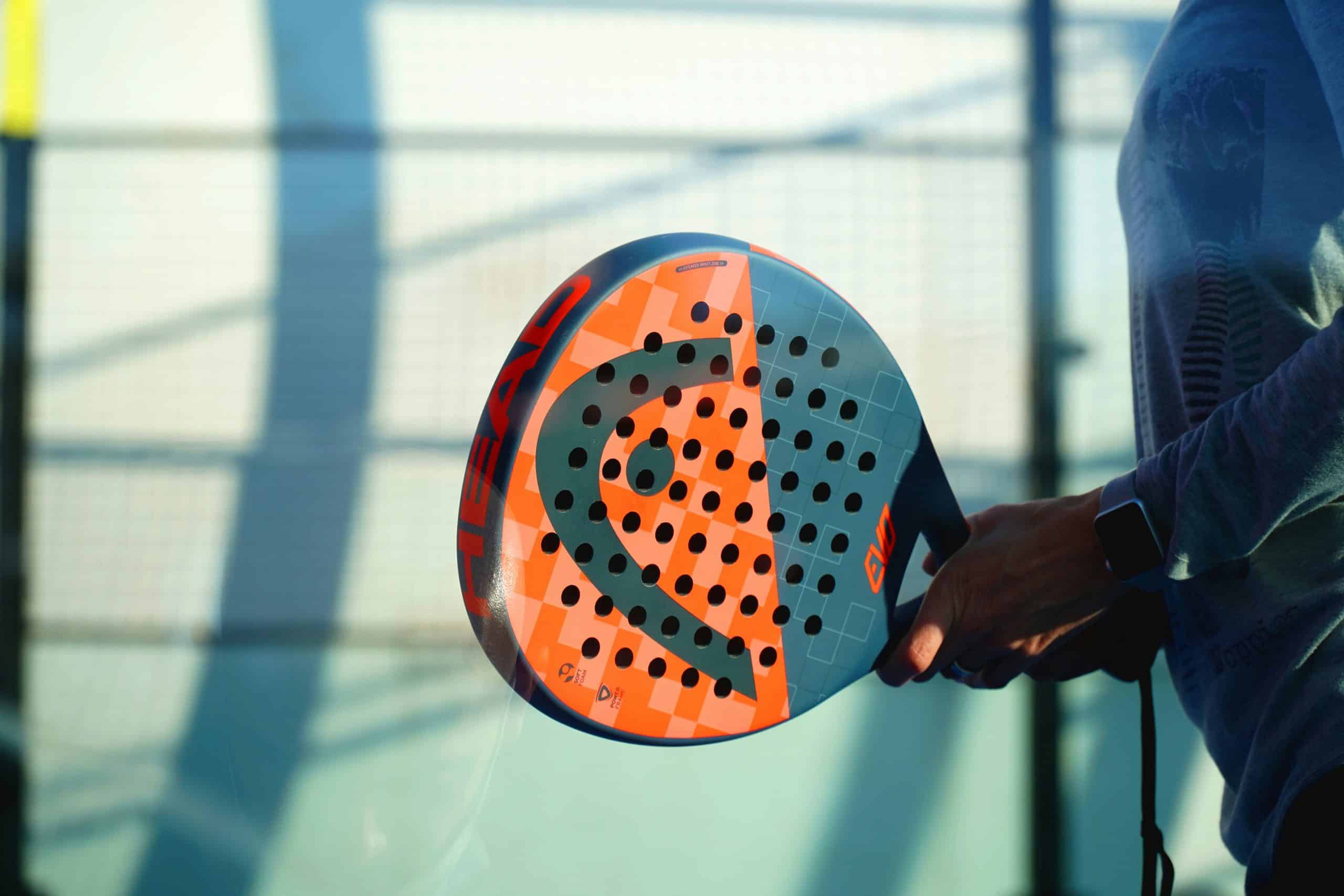
Padel is one of the fastest-growing sports in the world, and for good reason. It’s fast, social, and ridiculously fun. But if you’ve recently started playing, you’ve probably realized there’s one big question that every player faces: which padel racket should I buy?
Don’t worry, you’re not alone. With so many shapes, weights, and materials out there, choosing the right racket can feel more confusing than trying to return a spin serve. This guide breaks it down in simple, no-nonsense terms, so you can walk into your next match confident that your racket matches your style (and maybe your outfit, too).
⸻
Know Your Level
Before you even look at rackets, be honest about where you are in your padel journey.
• Beginner: You’re still learning the rules, timing, and sweet spot of your shots. Look for a lightweight, round-shaped racket that gives you control and forgiveness when you miss the center.
• Intermediate: You’ve got the basics, can rally comfortably, and want a bit more power. A teardrop-shaped racket offers a good balance of control and attack.
• Advanced: You know your strengths and want to dominate. A diamond-shaped racket is built for maximum power, but only if you can handle its smaller sweet spot.
Choosing a racket that suits your skill level makes the game way more enjoyable and helps you improve faster.
⸻
Understand the Shape
Padel rackets come in three main shapes, each with its own “personality” on court.
• Round: Ideal for beginners and control players. The sweet spot is large and centered, making it forgiving on off-center hits.
• Teardrop: The most versatile shape, great for intermediate players who want both control and power.
• Diamond: Aggressive and top-heavy, best for strong, attacking players who like to smash and end points quickly.
Think of it this way: round is “safe and smart,” teardrop is “balanced and bold,” and diamond is “fast and furious.”
⸻
Weight and Balance, Find Your Comfort Zone
Weight plays a huge role in how your racket feels during play.
• Light (350–365g): Easier to handle, quicker at the net, and less tiring, perfect for beginners or defensive players.
• Medium (365–375g): The sweet spot for most players. Offers a good mix of maneuverability and punch.
• Heavy (375–390g): Adds power to your smashes but can strain your arm if you’re not used to it.
Balance matters, too:
• Head-light rackets offer more control and faster reactions.
• Head-heavy rackets add power but can feel tougher on the wrist and shoulder.
If you’re unsure, always start lighter and move up as your strength and confidence grow.
⸻
Materials Matter
Padel rackets are typically made from fiberglass or carbon fiber, sometimes a blend of both.
• Fiberglass: Softer and more flexible, offering better control and comfort. Great for beginners.
• Carbon fiber: Stiffer and more durable, producing powerful, crisp shots. Favored by advanced players.
• EVA Foam Core: Most rackets use EVA foam inside, which affects how the ball rebounds. Softer cores give you more comfort, while harder ones deliver more power.
In short: fiberglass = comfort; carbon = control and precision.
⸻
Grip and Comfort
You’d be surprised how many players overlook this. A proper grip can make or break your game.
Your racket should feel like an extension of your hand, not something you’re fighting to hold on to.
If your hand feels cramped, add an overgrip or go for a thicker handle. It’ll save you from blisters and help prevent tennis elbow down the line.
And remember: padel should be fun, not painful.
⸻
Style Counts (Yes, Really)
Sure, performance matters, but let’s be real, everyone loves a racket that looks good.
Whether you prefer neon vibes, matte black minimalism, or pro-player replicas, there’s a racket out there that’ll match your personality.
Plus, when you like how your gear looks, you’ll naturally feel more confident on court.
So go ahead, let your racket do the talking.
⸻
Try Before You Buy
If you can, borrow or rent different rackets from your club or friends.
Two rackets can look identical on paper but feel completely different in your hand.
Testing helps you understand your preferences and avoid expensive mistakes.
When in doubt, think of it like buying shoes: you wouldn’t pick a pair without trying them on, right?
⸻
Price vs. Performance
You don’t need to spend a fortune to enjoy padel.
A solid beginner racket can cost less than AED 400 and still deliver great performance.
As you progress, investing in a higher-end racket (AED 700–1200) makes sense for durability and feel.
Top-tier rackets above AED 1200 are for players chasing every edge, but they won’t magically turn you into a pro overnight.
Buy smart, not expensive.
⸻
Maintenance Tips
Take care of your racket and it’ll return the favor:
• Always store it in a racket bag to protect from heat or humidity.
• Avoid leaving it in your car under the sun (yes, even in Dubai!).
• Replace grips regularly and inspect for cracks.
A little TLC keeps your racket feeling fresh for longer.
⸻
Final Thoughts
Choosing the right padel racket isn’t about picking the “best” one, it’s about picking the right one for you. Focus on your playing style, comfort, and goals. Whether you’re rallying for fun or competing seriously, the right racket will make every match smoother, sharper, and way more enjoyable.
So next time you’re on the court, remember: it’s not just the racket in your hand, it’s the confidence that comes with knowing it’s the perfect match.
And don’t forget, SportSabi stocks your favorite rackets from Nox, Bullpadel and Babolat